
Innocenzo Fraccaroli - The Canova of Verona
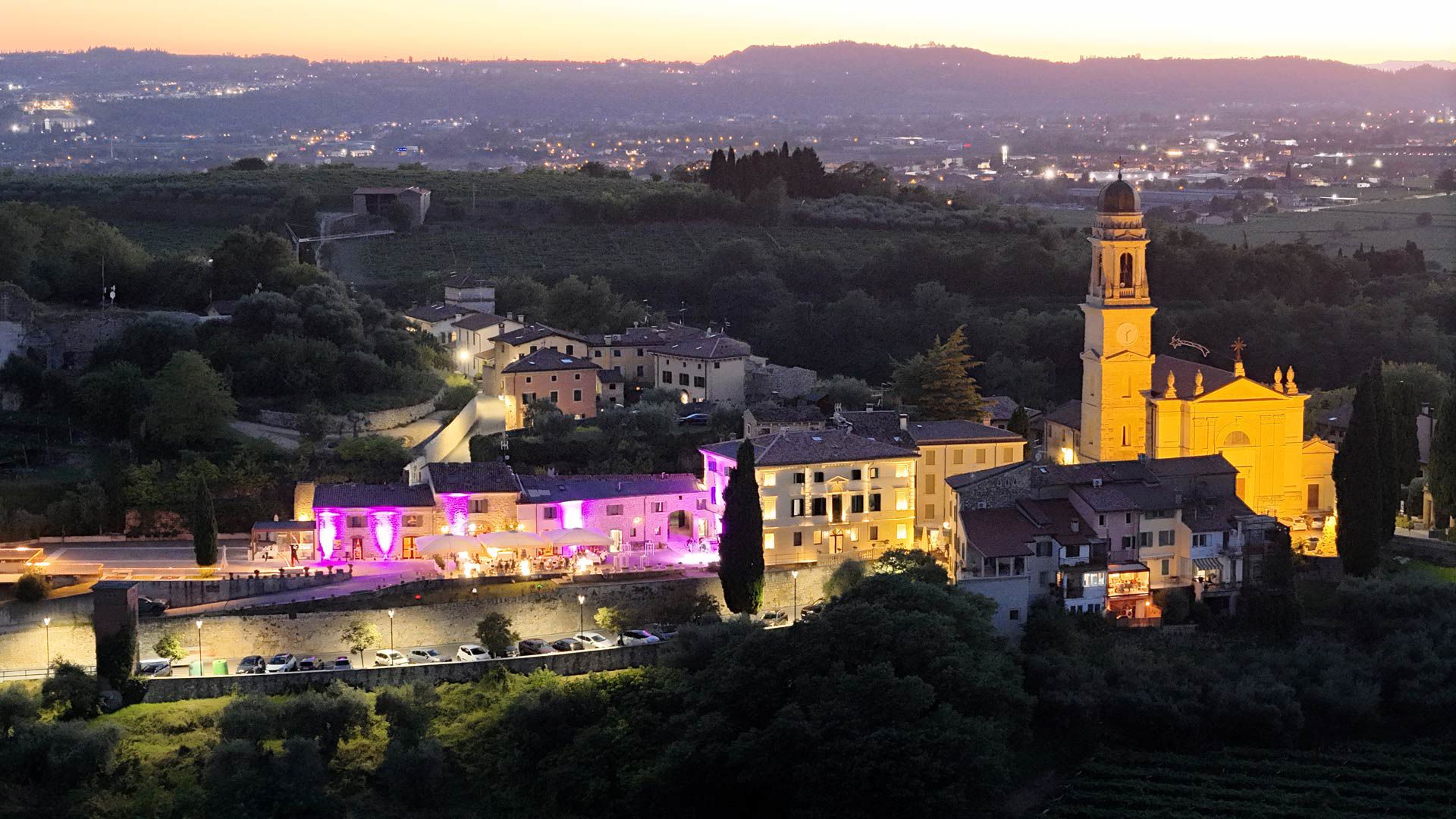
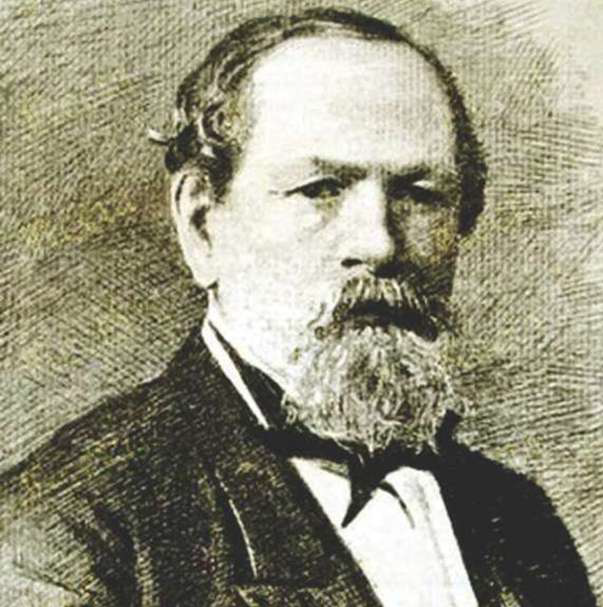
The Fraccaroli family was one of the first to settle in this area, building the eponymous house in the late 18th century. The family's descendants have proudly maintained the name Casa Fraccaroli, also to honor Innocenzo Fraccaroli, an internationally renowned sculptor also known as the "Canova of Verona," who was born in this very house in 1805.
A student of the Academy of Fine Arts in Venice, he won the Grand Prize for Sculpture from the Brera Academy of Fine Arts in 1829.
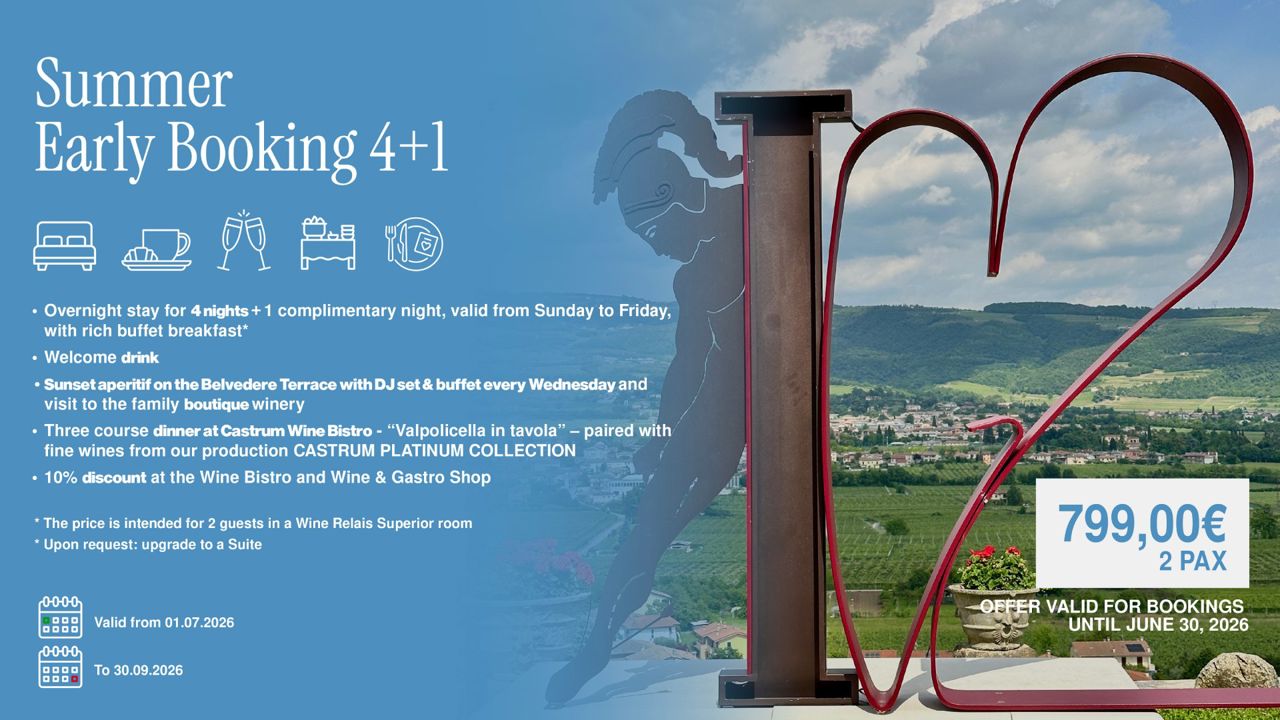
Today, the Wounded Achilles, the most iconic work, is the symbol of the Castrum complex. Created by talented local artisans - https://www.3fe.it/ - this imposing figure of the mythological warrior welcomes guests at the entrance to the property, holding up the symbol of love found in front of the Verona Arena.
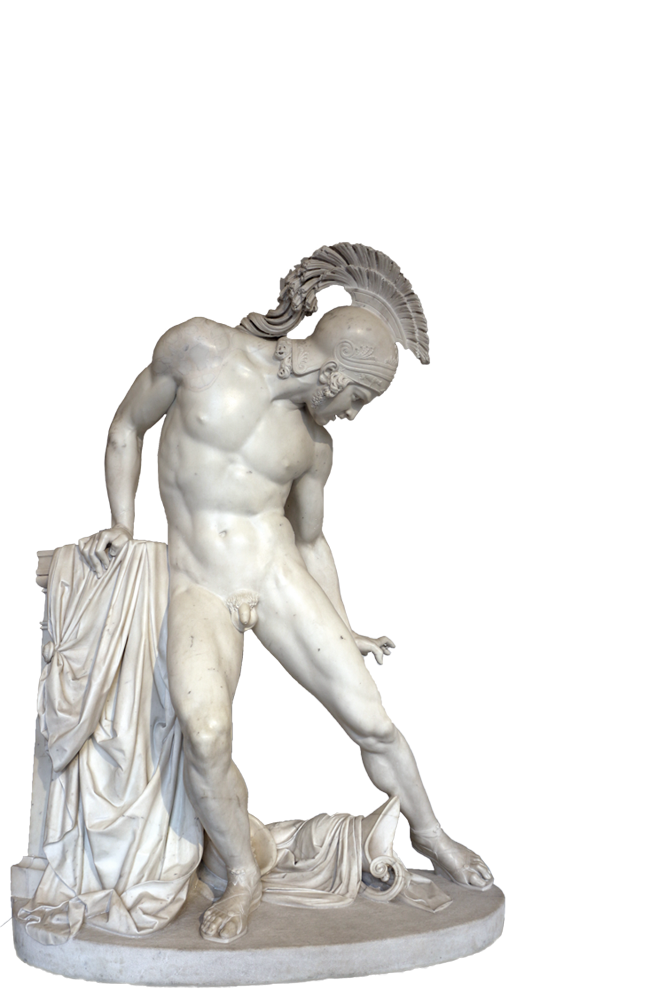
Achilles, "the swift-footed," is the legendary hero of the Trojan War described in Homer's Iliad. Legend has it that as a child, he was immersed in the waters of the River Styx, which made him immortal. But since his mother held him by his heel, she immersed him, leaving this his only vulnerable spot.
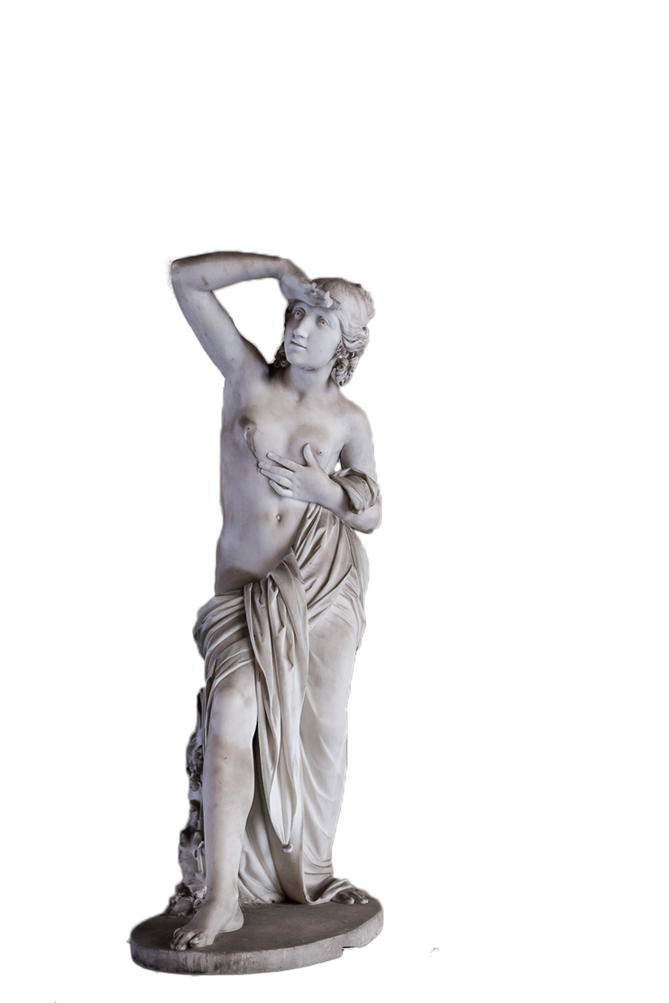
A young nymph in love with Apollo, she was rejected for the mortal Leucothee. Driven by jealousy, she did everything to hinder their love, even to the point of having Leucothee buried alive by her father. Clytie never resigned herself and sat day and night in a field gazing at her beloved. Apollo, taking pity on her, transformed her into a sunflower.
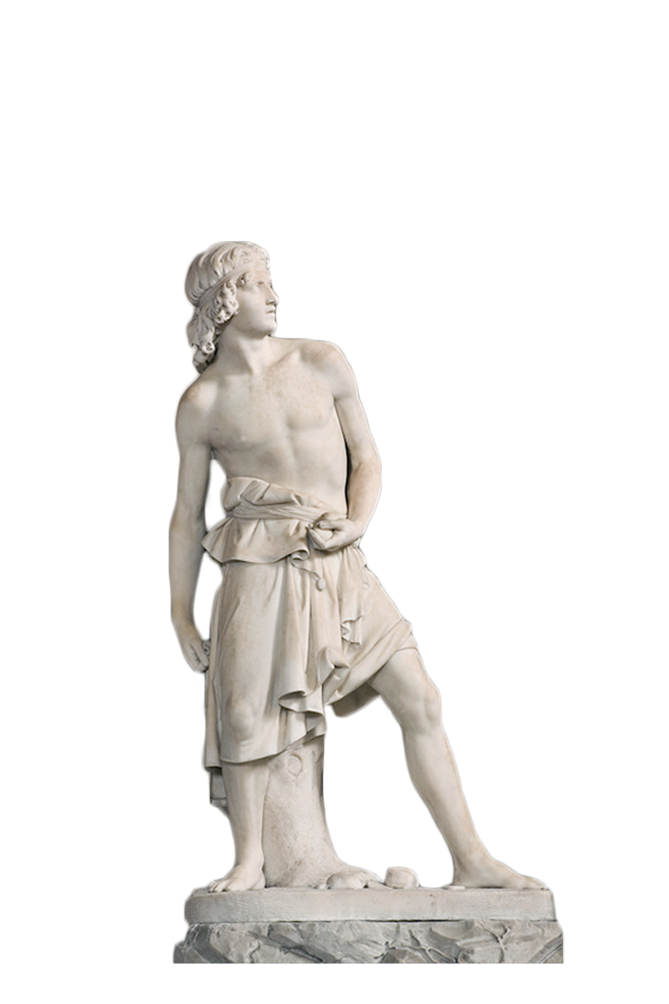
David was a courageous young shepherd who, thanks to his faith in God and his intelligence, managed to defeat the giant Goliath with a simple slingshot.
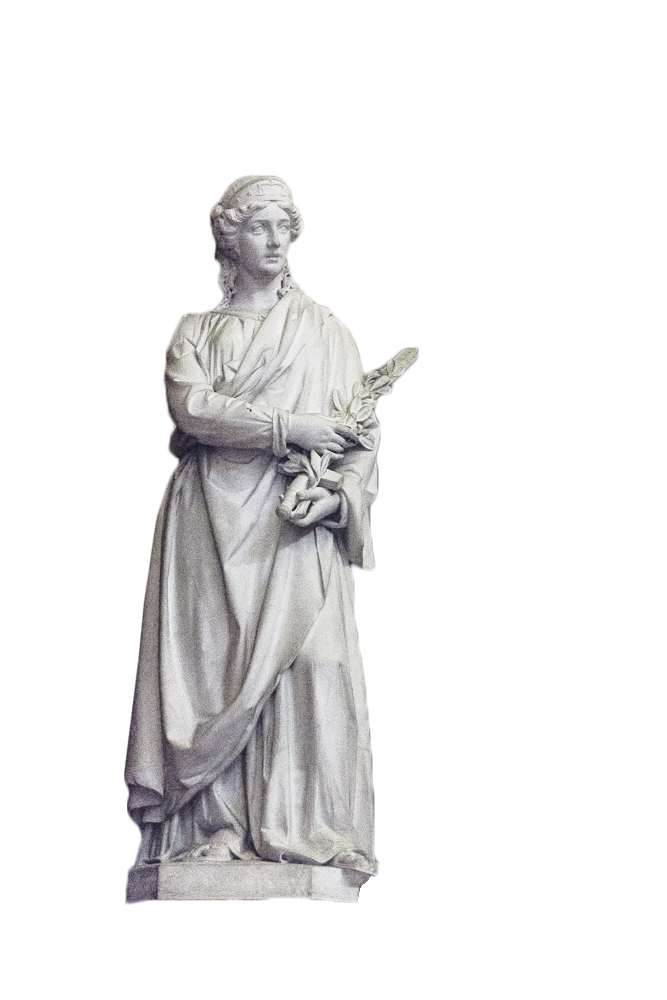
According to Roman mythology, Justice was a goddess who watched over humanity and ensured fairness among all. It is said that, disillusioned by human injustice, she left Earth and ascended to heaven, where she became the constellation Virgo.
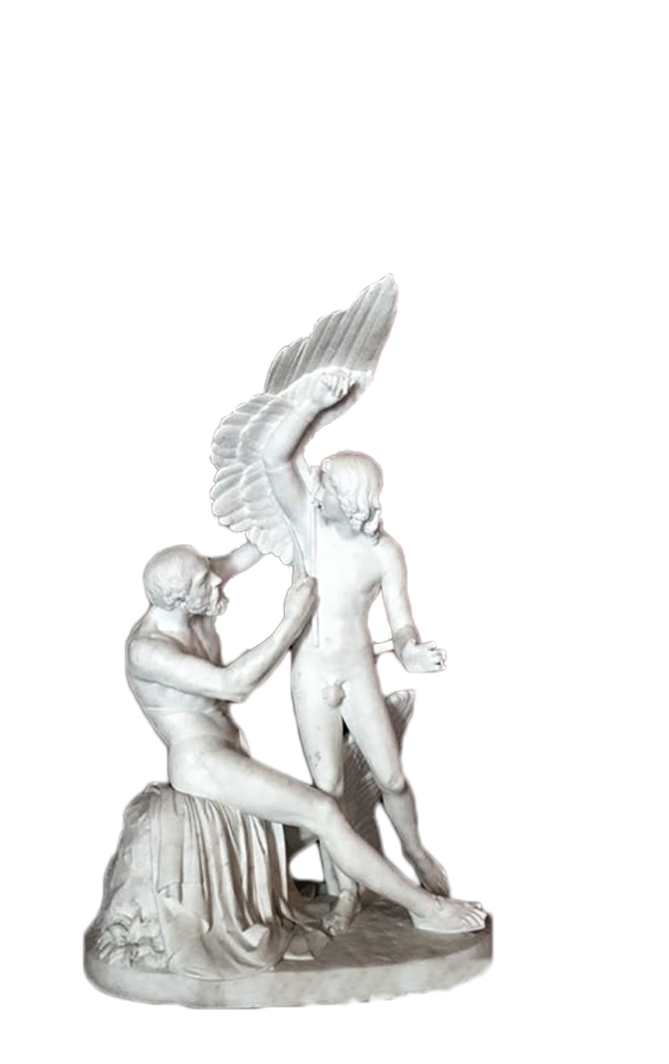
Son of the inventor Daedalus, architect of the famous labyrinth for the Minotaur on the island of Crete, Icarus was locked in the labyrinth with his father. This gave rise to the idea of building wings to escape. Despite his father's warnings not to fly too high, Icarus approached the sun, whose heat melted the wax, causing him to fall into the sea.